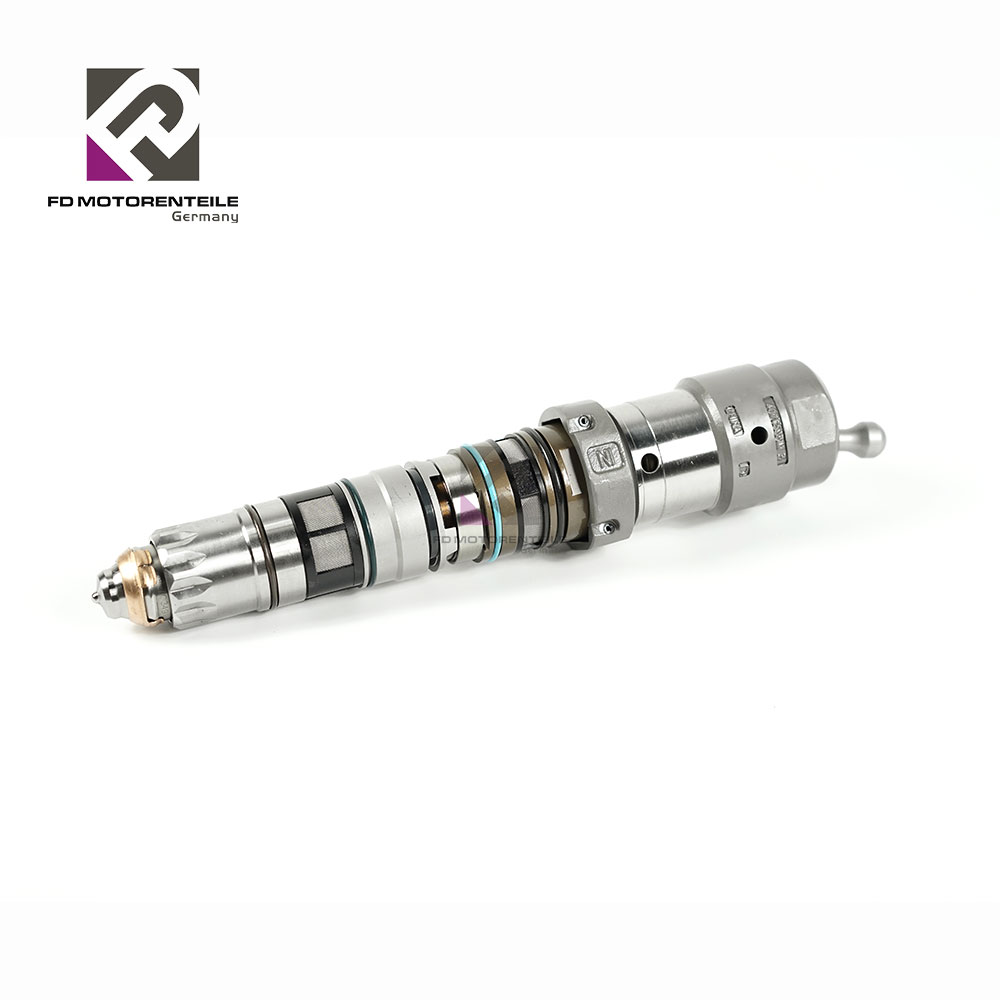
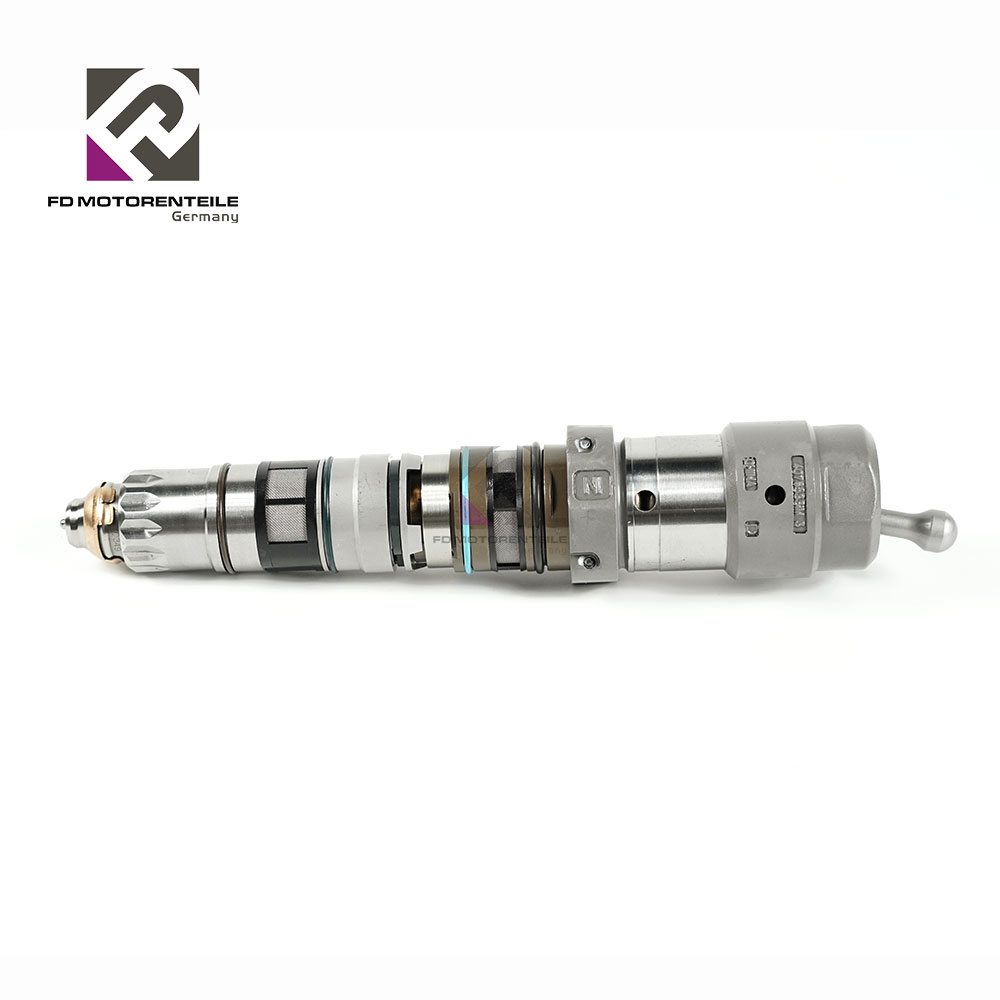
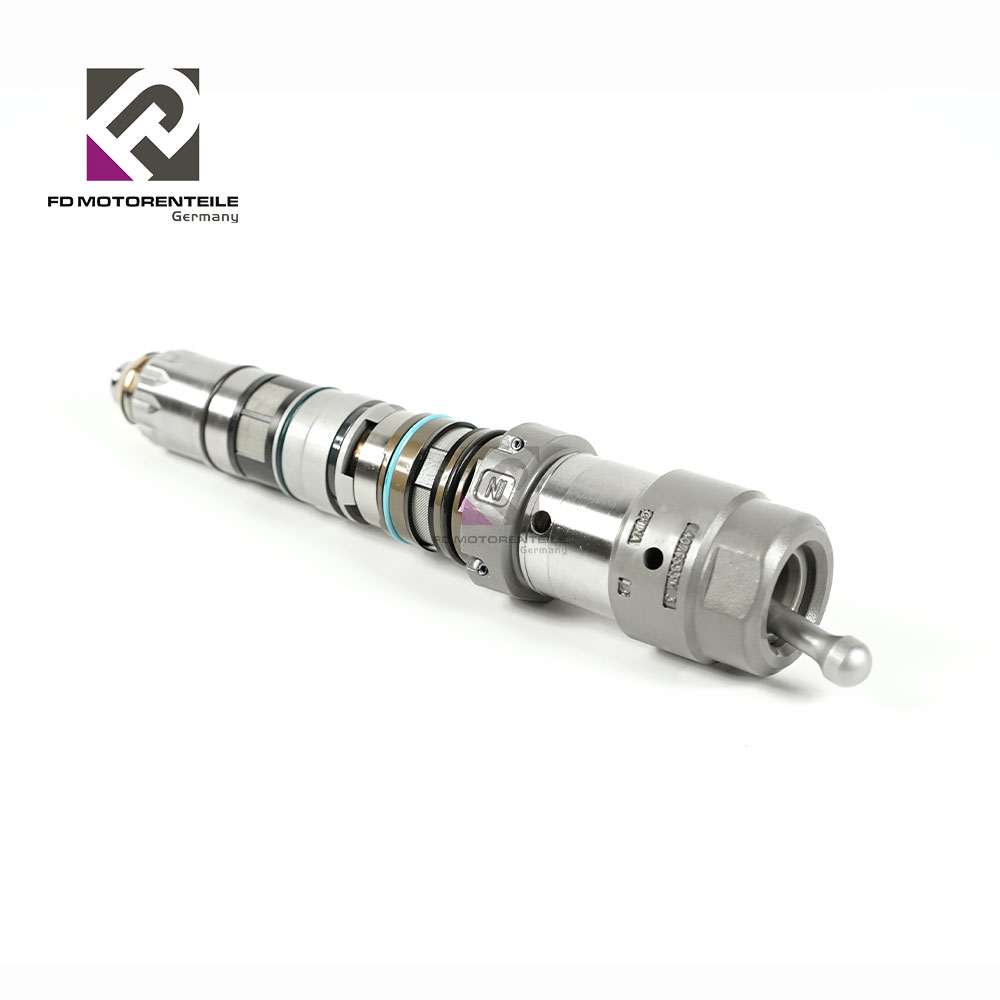
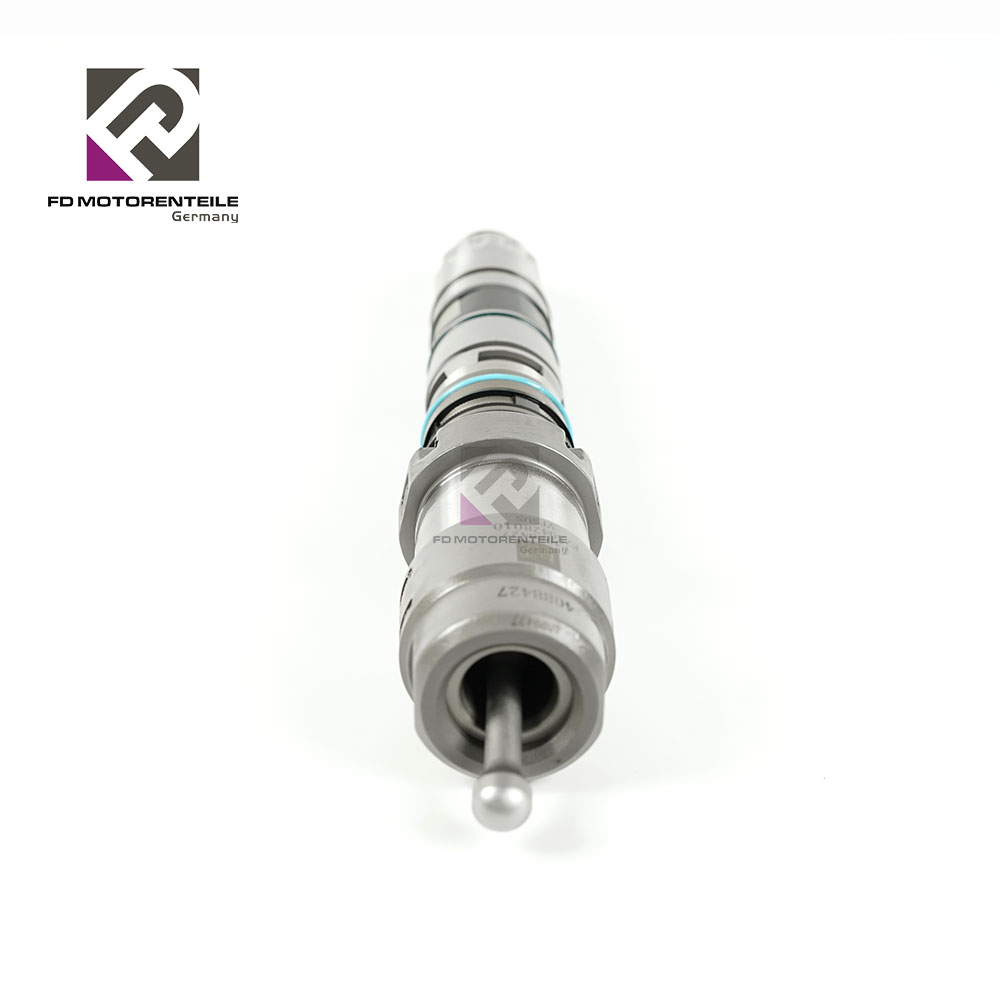
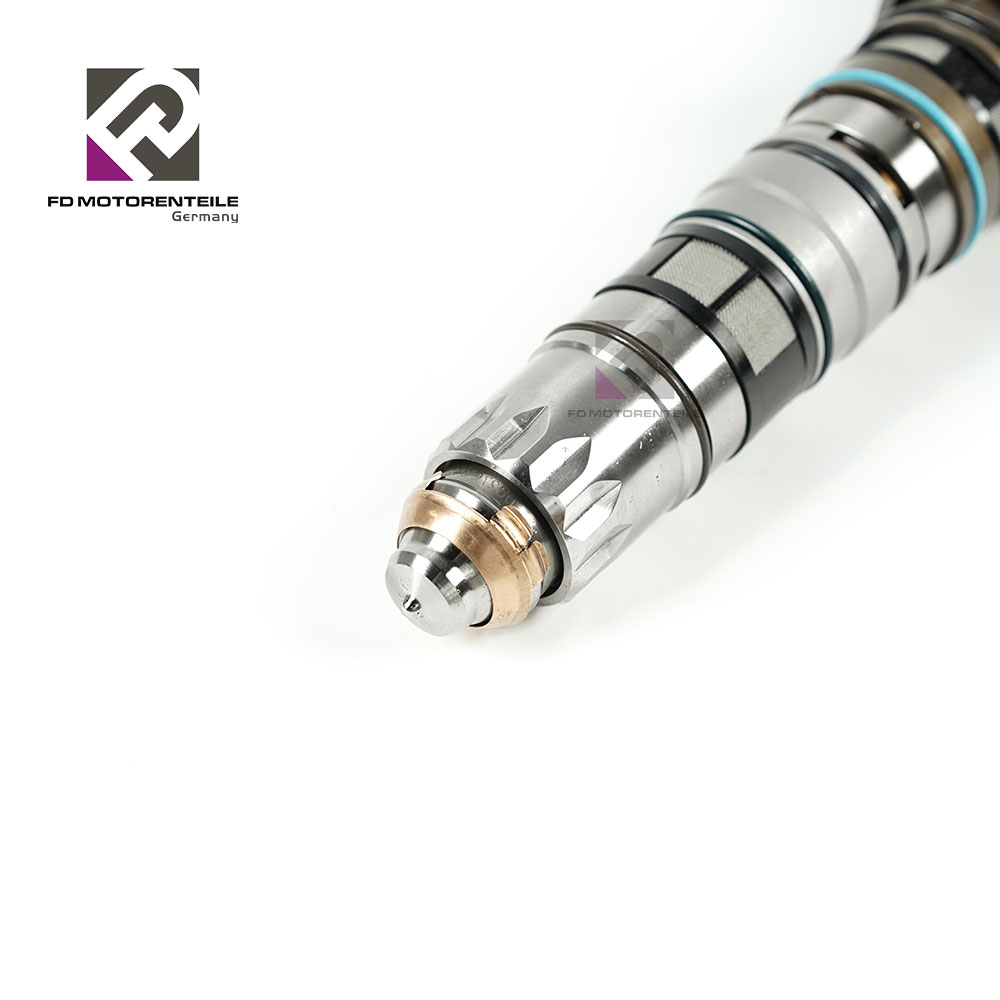
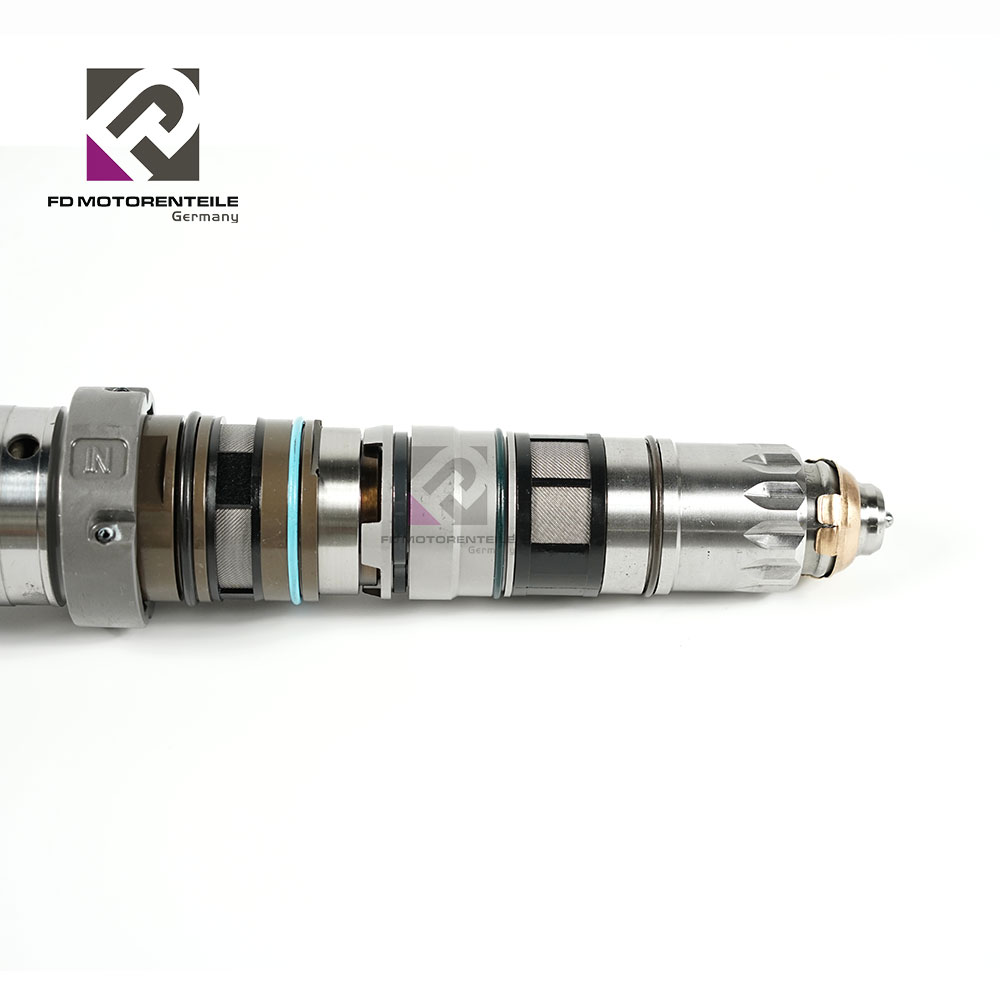
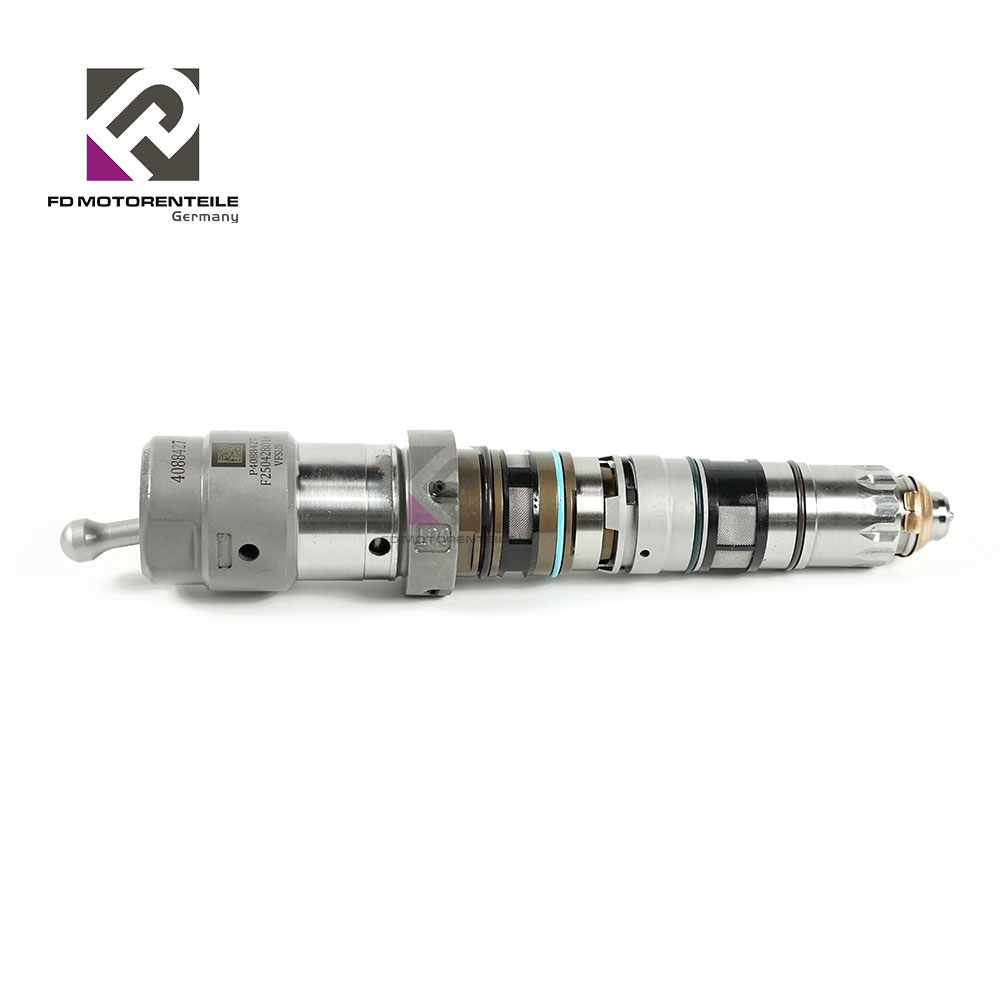
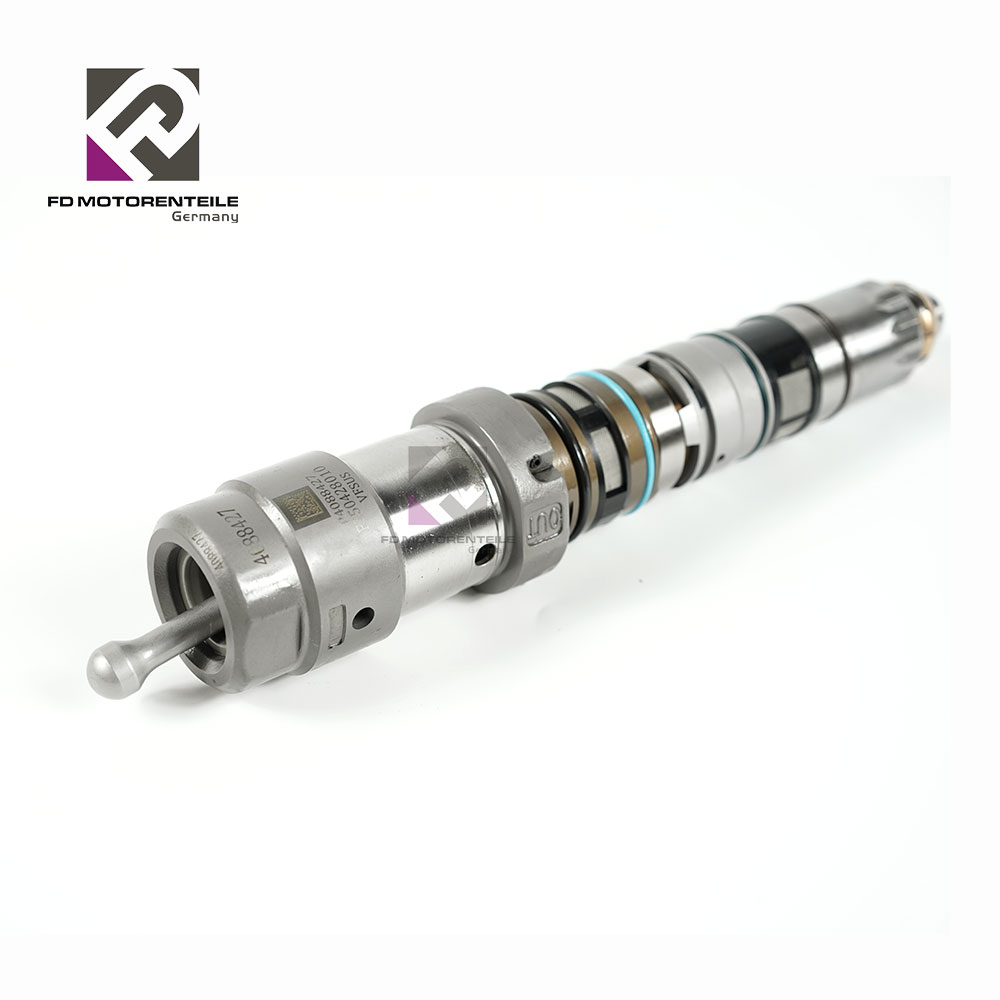
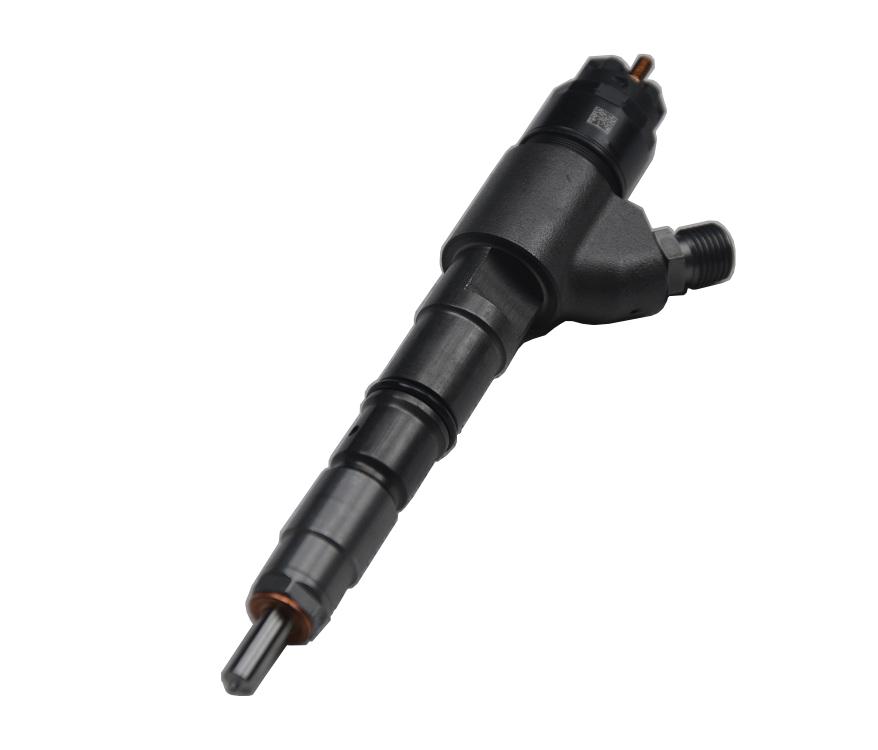
The Cummins QSK60 Fuel Injector is designed for compatible QSK60 heavy-duty diesel engines used in mining equipment, marine propulsion systems, industrial generator sets, oil and gas equipment and other high-horsepower applications.
As a critical component of the fuel injection system, the injector meters and delivers fuel into the combustion chamber according to engine operating requirements. Correct injector selection helps maintain stable fuel delivery, consistent cylinder performance and reliable engine operation under demanding working conditions.
We supply QSK60 fuel injectors for engine overhaul companies, mining contractors, marine service providers, generator maintenance companies, diesel injection workshops, equipment distributors and engineering projects requiring bulk or scheduled delivery.
Because QSK60 engines can use different injector and fuel-system configurations, buyers should confirm compatibility using the injector OE number, engine serial number, CPL, fuel-system version and equipment information before placing an order.
Complete Injector Assembly for QSK60 Engine Maintenance
This product is supplied as a complete fuel injector assembly rather than an individual injector control valve, nozzle or internal repair component.
A complete injector may include the following structures according to the selected OE number:
- Injector body
- Injector nozzle
- Control valve assembly
- Solenoid or electronic actuator
- Integrated accumulator where applicable
- Internal spring components
- Sealing components
- Fuel inlet structure
- Electrical connector
- Injector identification or calibration information
The exact structure depends on the injector OE number and fuel-system version. Buyers should request a confirmed product drawing, photo or specification sheet before approving a bulk order.
For component-level injector repair, refer to our Fuel Injector Control Valve for Cummins QSK60 instead of purchasing the complete injector assembly.
HPI and MCRS Injector Compatibility
Cummins QSK60 engines can be equipped with different fuel injection technologies. The two common configurations associated with the QSK60 family are HPI and MCRS.
QSK60 HPI Fuel Injector
HPI injectors are used with the earlier High Pressure Injection fuel system configuration. An HPI injector must be selected according to the original injector number, engine arrangement and applicable fuel-system specification.
Typical verification information includes:
- Original injector OE number
- Engine serial number
- CPL number
- Engine control module
- Equipment model
- Injector body markings
- Existing injector photographs
QSK60 MCRS Fuel Injector
MCRS refers to the Modular Common Rail System used in compatible QSK60 configurations. MCRS injectors have a different fuel delivery and control structure from earlier HPI injectors.
Selection should be based on:
- Injector OE number
- Engine serial number
- Engine control-module version
- CPL or engine configuration
- Fuel rail and fuel pump configuration
- Previous injector number
- Equipment application
HPI and MCRS Injectors Are Not Selected by Appearance
An injector that looks similar may still have different internal structures, electronic characteristics, flow calibration or installation requirements.
Do not assume that HPI and MCRS injectors are directly interchangeable.
If an engine has undergone an HPI-to-MCRS upgrade, the new fuel-system information and currently installed injector number should be used for compatibility verification rather than relying only on the engine’s original specification.
Why Accurate Injector Matching Matters
The Cummins QSK60 is used in equipment where an incorrect injector can result in significant maintenance cost and unplanned downtime.
Ordering the wrong fuel injector may cause:
- Installation incompatibility
- Electrical connector mismatch
- Incorrect fuel delivery
- Injector calibration failure
- Excessive fuel return
- Irregular cylinder operation
- Engine fault codes
- Difficult starting
- Abnormal exhaust smoke
- Reduced engine output
- Increased fuel consumption
- Repeated injector replacement
- Extended equipment downtime
For this reason, the engine model alone is not sufficient for final injector confirmation.
Our recommended matching sequence is:
Engine Model → ESN → CPL → Fuel-System Version → Injector OE Number → Sample Confirmation → Bulk Order
Information Required for Compatibility Verification
Please provide as much of the following information as possible:
- Injector OE number
- Previous or replacement injector number
- Cummins engine model
- Engine serial number
- CPL number
- Engine control-module model
- HPI or MCRS fuel-system version
- Equipment manufacturer
- Equipment model
- Engine nameplate photograph
- Injector label photograph
- Electrical connector photograph
- Overall injector photograph
- Required quantity
- Project destination
When the OE number is unclear, clear photographs and engine information can help narrow the available options. Final compatibility should still be approved against confirmed technical documentation or a physical sample.
Key Features of Our QSK60 Fuel Injectors
OE Number-Based Product Matching
Each inquiry is checked according to the submitted injector number and engine information. This reduces the risk of supplying an injector that fits physically but does not correspond to the required fuel-system configuration.
Complete Injector Supply
The complete injector assembly is suitable for buyers who do not want to carry out internal injector disassembly or component-level rebuilding.
It can simplify procurement for:
- Scheduled engine overhauls
- Emergency equipment repair
- Fleet maintenance
- Marine engine servicing
- Generator maintenance programs
- Mining-site spare-parts inventory
Controlled Injector Testing
Depending on the injector type and agreed inspection standard, testing may include:
- Injector identification verification
- Electrical resistance inspection
- Insulation inspection
- Injector response testing
- Fuel delivery testing
- Return-flow testing
- Leakage testing
- Sealing inspection
- Spray or atomization inspection
- Multi-condition performance testing
- Calibration-data verification
- External appearance inspection
The exact test items should be confirmed according to the selected injector model and available test equipment.
Batch Consistency
For engineering projects, all injectors can be arranged from a controlled production or inspection batch where available.
Batch control can include:
- Unified product specification
- Consistent packaging
- Batch-number identification
- Agreed sampling ratio
- Pre-shipment inspection
- Test-report matching
- Quantity verification
- Custom project labels
Individual Protective Packaging
Each injector can be packed separately to reduce contamination, impact and corrosion risk during storage and international transportation.
Available packaging options may include:
- Protective inner sleeve
- Anti-contamination packaging
- Plastic or protective caps
- Individual box
- Foam protection
- Neutral box
- Branded box
- Export carton
- Pallet packaging
- Custom barcode label
- Project-specific shipping mark
Applications
The Cummins QSK60 fuel injector is intended for compatible QSK60 engines used in demanding industrial and heavy-duty applications.
Mining Equipment
QSK60 engines are commonly associated with large mining equipment operating for extended periods under high load.
Potential equipment categories include:
- Mining haul trucks
- Large hydraulic excavators
- Wheel loaders
- Mining shovels
- Heavy material-handling equipment
- Mine-site power equipment
For mining projects, buyers usually prioritize injector durability, batch consistency, emergency availability and rapid replacement support.
Marine Engines
Compatible QSK60 engines may be used in:
- Commercial vessels
- Workboats
- Offshore support vessels
- Tugboats
- Marine propulsion systems
- Auxiliary power systems
- Marine generator applications
Marine buyers should provide the engine serial number, vessel information and existing injector number because marine engine configurations can differ by rating and emissions specification.
Power Generation
QSK60 engines are also used in high-horsepower generator applications, including:
- Standby generator sets
- Prime-power generator sets
- Continuous-duty power systems
- Industrial facilities
- Data-center backup power
- Remote mining operations
- Utility and infrastructure projects
Generator maintenance companies can purchase injectors for planned overhauls, emergency repair or critical spare-parts inventory.
Oil and Gas Equipment
Potential applications include compatible QSK60 engines used in:
- Drilling equipment
- Fracturing equipment
- Pumping systems
- Offshore equipment
- Oilfield power units
- Remote industrial power systems
Actual applicability must be confirmed using the engine and injector identification information.
Typical Buyers
Our Cummins QSK60 fuel injectors are supplied to professional B2B customers rather than general consumer repair markets.
Typical buyers include:
- Mining companies
- Mining maintenance contractors
- Heavy-equipment repair companies
- Engine overhaul workshops
- Diesel fuel-system specialists
- Marine engine service companies
- Ship-management companies
- Generator maintenance providers
- Power-generation contractors
- Oilfield service companies
- Industrial spare-parts distributors
- Regional engine-parts wholesalers
- Government procurement projects
- Infrastructure maintenance projects


Fuel Injector Quality-Control Process
Product Identification
The injector OE number, product specification and order information are checked before testing and packaging.
Visual Inspection
The injector is inspected for:
- External damage
- Corrosion
- Cracks
- Connector damage
- Thread damage
- Deformed sealing areas
- Missing components
- Surface contamination
Dimensional Verification
Critical mounting and connection dimensions can be checked against the confirmed product specification.
Electrical Inspection
For electronically controlled injectors, applicable electrical characteristics may be inspected according to the injector type.
Performance Testing
Where applicable, the injector is tested under defined operating conditions to inspect fuel delivery, return flow, leakage, response and consistency.
Cleaning and Protection
The injector is cleaned and protected before packaging. Inlet, outlet and connector areas should be capped or covered to reduce contamination during transport.
Final Inspection
Before shipment, the following items are checked:
- Correct injector number
- Correct quantity
- Product appearance
- Test status
- Packaging condition
- Label information
- Carton marks
- Required documents
Bulk Procurement Support
Sample Order Before Mass Purchase
For a new customer or new OE number, a sample can be supplied for:
- Dimensional verification
- Installation testing
- Injector bench testing
- Engine testing
- Packaging approval
- Supplier qualification
- Internal engineering review
The sample-approval criteria should be agreed upon before mass production or batch shipment.
Project Quantity Planning
For large maintenance projects, supply can be planned according to:
- Number of engines
- Number of cylinders per engine
- Planned overhaul schedule
- Emergency spare requirements
- Existing warehouse inventory
- Replacement history
- Local delivery time
- Annual demand forecast
Scheduled Batch Delivery
Orders can be divided into scheduled shipments to support different maintenance stages.
A typical delivery arrangement may include:
- Initial sample shipment
- First approved production batch
- Planned maintenance batch
- Emergency spare stock
- Quarterly replenishment
- Annual framework supply
One-Engine or Multi-Engine Sets
Injectors can be packed and labeled according to engine sets where required.
Project labels may include:
- Project name
- Equipment number
- Engine serial number
- Injector OE number
- Set number
- Batch number
- Inspection date
- Destination warehouse
Documents Available for Project Orders
Available documentation depends on the actual product and order agreement.
Potential documents include:
- Commercial invoice
- Packing list
- Product specification sheet
- Injector test report
- Batch inspection report
- Product photographs
- Packaging photographs
- Certificate of origin
- Material information
- Shipping documents
- Third-party inspection report
Only list documents that your company can genuinely provide.
Installation Recommendations
Installation should be performed by qualified diesel engine or fuel-system technicians.
Before installation:
- Confirm the injector OE number
- Confirm the fuel-system version
- Inspect the injector packaging
- Keep the working area clean
- Prevent dirt from entering fuel passages
- Inspect the injector bore
- Check related seals and O-rings
- Inspect the wiring connector
- Follow the applicable tightening procedure
- Use manufacturer-specified tools
- Complete required calibration or programming
- Check the fuel system for contamination
After installation:
- Prime the fuel system where required
- Check for fuel leakage
- Read and clear applicable fault codes
- Monitor cylinder performance
- Check fuel return
- Confirm stable engine operation
- Perform an injector or cylinder cut-out test where applicable
Installation specifications and tightening values should be obtained from the correct service manual for the engine serial number and fuel-system configuration.
Common Signs of a Possible Injector Problem
Potential symptoms associated with injector or fuel-system faults may include:
- Difficult engine starting
- Unstable idle
- Uneven cylinder operation
- Reduced engine power
- Increased fuel consumption
- Excessive black smoke
- White smoke during operation
- Abnormal combustion noise
- High fuel return
- Fuel leakage
- Engine fault codes
- Failed cylinder contribution test
These symptoms do not automatically prove that the injector is defective. Similar problems can be caused by fuel contamination, wiring faults, low supply pressure, high-pressure pump problems, compression loss or engine control issues.
Professional diagnosis should be completed before replacing the injector.