The common rail fuel pump is one of the most critical components in a diesel fuel injection system. Among Bosch high-pressure pumps, the CP1, CP3, and CP4 series are the most widely used across passenger cars, commercial vehicles, agricultural machinery, and industrial diesel engines.
Although these pumps share the same purpose—delivering high-pressure fuel to the common rail—they differ significantly in pressure capability, design, efficiency, durability, and application.
This guide compares Bosch CP1 vs CP3 vs CP4 to help buyers, repair shops, diesel engine specialists, and parts distributors choose the right fuel pump.
F-Diesel specializes in common rail fuel injection components, providing high-quality replacement and OEM-compatible fuel pumps for global diesel engine markets.

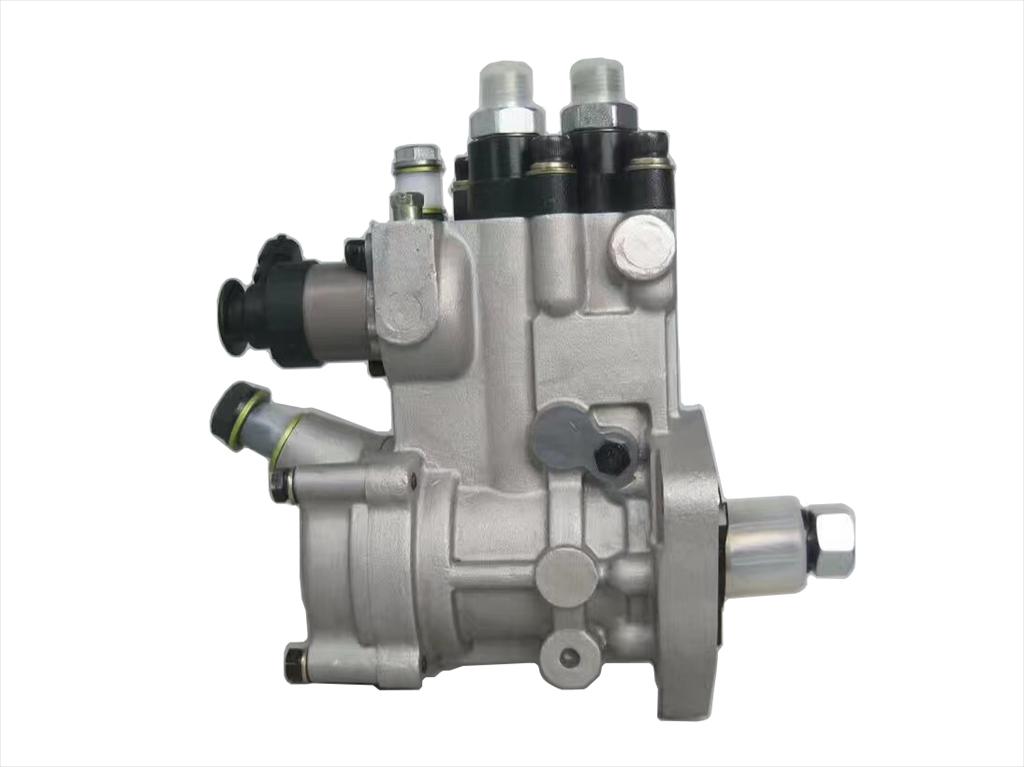
What Is a Common Rail Fuel Pump?
A common rail fuel pump compresses diesel fuel and supplies it to the common rail at extremely high pressure. The electronic control system then precisely controls each injector to optimize:
- Fuel atomization
- Engine power
- Fuel economy
- Emissions
- Engine noise
Higher injection pressure generally results in cleaner combustion and improved engine efficiency.
Overview of Bosch CP1, CP3 and CP4 Pumps
Bosch continuously improved its common rail technology to meet increasingly strict emission regulations and higher engine performance requirements.
| Model |
Maximum Pressure* |
Typical Application |
Main Features |
| CP1 |
Lower |
Early passenger diesel vehicles |
First-generation common rail, simple structure |
| CP3 |
Higher |
Light-duty & heavy-duty diesel engines |
Excellent durability, high fuel delivery |
| CP4 |
Highest |
Modern Euro 5/Euro 6 diesel engines |
Compact design, higher efficiency, reduced fuel consumption |
*Actual pressure varies by engine model and manufacturer specifications.
Bosch CP1 Fuel Pump
The CP1 is Bosch's first-generation common rail high-pressure pump.
Advantages
- Mature and reliable technology
- Simple internal structure
- Lower maintenance cost
- Suitable for early common rail systems
Typical Applications
CP1 pumps are commonly found in:
- Early diesel passenger cars
- Small commercial vehicles
- Light-duty diesel engines
Although newer systems have largely replaced CP1, it remains widely used in older vehicles worldwide.
Bosch CP3 Fuel Pump
The CP3 is considered one of the most reliable common rail fuel pumps ever produced.
Advantages
- Higher fuel delivery capacity
- Excellent durability
- Strong performance under heavy loads
- Long service life
- Proven reliability in demanding environments
Typical Applications
CP3 pumps are widely installed in:
- Pickup trucks
- Heavy-duty trucks
- Construction equipment
- Agricultural machinery
- Industrial diesel engines
Because of its robust design, the CP3 is also popular in performance diesel upgrades.
Bosch CP4 Fuel Pump
The CP4 was developed to improve fuel efficiency while meeting increasingly strict emissions regulations.
Advantages
- More compact structure
- Higher operating pressure
- Improved fuel efficiency
- Lower engine emissions
- Reduced engine weight
Typical Applications
CP4 pumps are commonly used in:
- Modern diesel passenger cars
- Euro 5 and Euro 6 engines
- New-generation commercial vehicles
Its compact size makes it suitable for engines with limited installation space.
CP1 vs CP3 vs CP4 Comparison
| Feature |
CP1 |
CP3 |
CP4 |
| Generation |
First |
Second |
Third |
| Injection Pressure |
Lower |
High |
Highest |
| Fuel Delivery |
Moderate |
High |
Optimized |
| Durability |
Good |
Excellent |
Good (depends on fuel quality) |
| Fuel Efficiency |
Standard |
High |
Highest |
| Size |
Larger |
Medium |
Most compact |
| Emission Compliance |
Early standards |
Euro 3–4 |
Euro 5–6 and newer |
Which Fuel Pump Is Best?
The best choice depends on the engine design and application.
Choose CP1 If:
- Maintaining older diesel vehicles
- Replacing original first-generation pumps
- Cost-effective repair is the priority
Choose CP3 If:
- Reliability is the highest priority
- Operating under heavy-duty conditions
- High fuel flow is required
- The engine experiences continuous heavy loads
Choose CP4 If:
- Working with modern diesel engines
- Meeting strict emission standards
- Improving fuel efficiency
- Limited installation space is available
How to Select the Correct Common Rail Fuel Pump?
Before purchasing, verify the following:
OEM Part Number
Always confirm the original Bosch or vehicle manufacturer's part number.
Vehicle Compatibility
Check:
- Vehicle model
- Engine code
- Production year
- VIN information
Pressure Requirements
Different engines require different fuel pressures. Installing the wrong pump can lead to poor performance or engine damage.
Fuel System Configuration
Ensure compatibility with:
- Fuel injectors
- Fuel rail
- Electronic control system
- Engine calibration
Common Failure Symptoms
A failing common rail fuel pump may cause:
- Hard starting
- Loss of engine power
- Engine stalling
- Low rail pressure fault codes
- Excessive fuel consumption
- Metal particles in the fuel system
- Check Engine Light illumination
Early diagnosis helps prevent damage to injectors and other fuel system components.
Why Choose F-Diesel?
F-Diesel specializes in diesel fuel injection systems and provides high-quality common rail components for aftermarket and OEM applications.
Product advantages include:
- Common rail fuel pumps
- Fuel injectors
- Control valves
- Repair kits
- OEM-compatible replacement parts
- Strict quality inspection
- Stable global supply
Whether replacing a Bosch CP1, CP3, or CP4 pump, F-Diesel provides reliable solutions for distributors, diesel repair centers, and engine manufacturers worldwide.
Frequently Asked Questions
Which pump is the most durable?
The Bosch CP3 is widely recognized throughout the diesel industry for its outstanding durability and reliability in demanding applications.
Does CP4 produce higher pressure than CP3?
Yes. CP4 pumps are designed to achieve higher injection pressures while improving fuel efficiency and meeting stricter emission standards.
Can CP1 be upgraded to CP3?
Some engine platforms support CP3 conversions, but compatibility depends on the engine design, fuel system, ECU calibration, and installation requirements.
How can I identify my fuel pump model?
The pump model and OEM part number are typically stamped on the pump body. You can also confirm compatibility using the vehicle VIN or manufacturer's parts catalog.
Conclusion
Bosch CP1, CP3, and CP4 common rail fuel pumps each represent different stages of diesel injection technology. CP1 remains suitable for earlier common rail systems, CP3 is renowned for exceptional durability and heavy-duty performance, while CP4 offers higher pressure, improved fuel efficiency, and compliance with modern emissions regulations.
Understanding these differences helps buyers select the right common rail fuel pump for maintenance, replacement, or engine upgrades.
F-Diesel supplies dependable common rail fuel injection components that support reliable diesel engine performance across passenger vehicles, commercial trucks, agricultural equipment, and industrial applications.
Contact F-Diesel
Email: sales@injectionsystem.cn