Fuel injectors are essential components of modern fuel delivery systems, ensuring the correct amount of fuel is supplied to the engine for efficient combustion. Today, mechanical fuel injectors and electronic fuel injectors (EFI) represent two major technologies. While mechanical injectors are known for their simplicity and durability, electronic injectors provide superior precision, fuel economy, and emissions control.
For fleet operators, repair shops, and diesel engine parts buyers, understanding the differences between these two systems helps in selecting the right solution for specific engine applications.
F-Diesel supplies high-quality fuel injection components and replacement parts for a wide range of diesel engines.
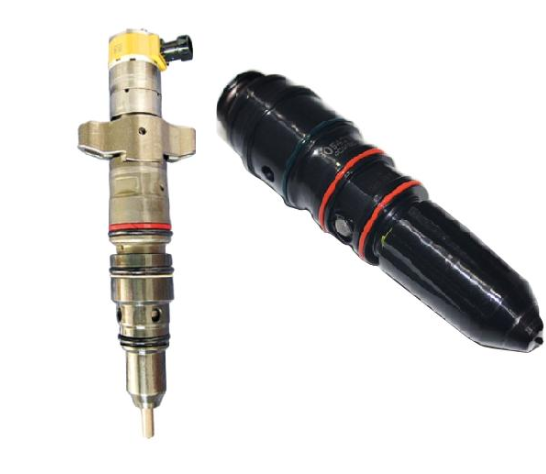
What Are Mechanical Fuel Injectors?
Mechanical fuel injectors operate using fuel pressure generated by a mechanical injection pump. The injector opens automatically once the fuel pressure reaches a preset value and closes when the pressure drops.
Common applications include:
- Older diesel engines
- Agricultural machinery
- Construction equipment
- Marine engines
- Industrial generators
Their simple design makes them easy to maintain and highly reliable in demanding environments.

What Are Electronic Fuel Injectors?
Electronic fuel injectors are controlled by the Engine Control Unit (ECU). Sensors continuously monitor engine operating conditions, allowing the ECU to calculate the precise fuel quantity and injection timing for every combustion cycle.
Electronic injectors are widely used in:
- Modern passenger vehicles
- Common rail diesel engines
- Commercial trucks
- Off-road equipment
- Hybrid power systems
The result is improved engine efficiency, lower emissions, and smoother performance.
Mechanical vs Electronic Fuel Injectors
| Feature |
Mechanical Fuel Injector |
Electronic Fuel Injector |
| Control Method |
Mechanical fuel pressure |
ECU electronic control |
| Injection Accuracy |
Moderate |
Very high |
| Fuel Economy |
Standard |
Better |
| Emissions |
Higher |
Lower |
| Maintenance |
Simpler |
More complex |
| Initial Cost |
Lower |
Higher |
| Common Applications |
Older diesel engines |
Modern diesel and gasoline engines |
Fuel Injection Accuracy
The biggest difference is fuel delivery precision.
Mechanical injectors rely solely on pressure generated by the injection pump, making injection timing relatively fixed.
Electronic injectors continuously adjust:
- Injection timing
- Injection duration
- Fuel quantity
- Multiple injection events
This precise control improves combustion efficiency and engine responsiveness.
Fuel Economy and Emissions
Electronic fuel injection systems provide significant advantages in fuel efficiency.
Benefits include:
- Reduced fuel consumption
- Lower exhaust emissions
- Improved cold starting
- Better throttle response
Mechanical injectors remain reliable but generally cannot meet today's increasingly strict emissions standards without additional technologies.
Maintenance Requirements
Mechanical injectors feature fewer electronic components, making diagnosis and repair relatively straightforward.
Typical maintenance includes:
- Nozzle cleaning
- Pressure adjustment
- Seal replacement
Electronic injectors require specialized diagnostic equipment because performance depends on both mechanical components and electronic control systems.
Regular maintenance may involve:
- Injector testing
- ECU diagnostics
- Common rail pressure inspection
- Injector coding after replacement
Which Fuel Injector Is Better?
The best choice depends on the application.
Choose mechanical fuel injectors if you need:
- Simple maintenance
- Reliable operation in remote locations
- Lower initial investment
- Older diesel engine compatibility
Choose electronic fuel injectors if your priorities include:
- Higher fuel efficiency
- Better engine performance
- Reduced emissions
- Compliance with modern environmental regulations
Buying Tips for Fuel Injectors
Before purchasing fuel injectors, buyers should verify:
- Engine model compatibility
- OEM or part number
- Fuel system type
- Injection pressure requirements
- Emission standard compliance
- Manufacturer quality certification
Selecting high-quality replacement injectors helps maintain engine reliability and reduce long-term operating costs.
Why Choose F-Diesel Fuel Injection Components?
F-Diesel specializes in fuel injection system components for diesel engines, offering reliable solutions for aftermarket replacement and industrial applications.
Advantages include:
- High-quality manufacturing standards
- Precision-engineered fuel injection components
- Stable performance and durability
- Wide compatibility with diesel engine models
- Professional technical support
Whether replacing mechanical injectors or sourcing electronic fuel injection components, F-Diesel provides dependable products designed for demanding operating conditions.
Conclusion
Mechanical and electronic fuel injectors each offer unique advantages. Mechanical injectors remain valued for their durability and ease of maintenance, while electronic injectors deliver superior precision, improved fuel economy, and lower emissions.
As modern engines increasingly rely on electronically controlled fuel systems, selecting high-quality fuel injection components from an experienced supplier like F-Diesel helps ensure reliable engine performance and long service life.
Contact F-Diesel
Email: sales@injectionsystem.cn