Although electronic fuel injection systems dominate many modern vehicles and industrial engines, Mechanical Fuel Injection Part solutions continue to play a critical role in diesel engines, agricultural machinery, marine propulsion systems, construction equipment, generators, and heavy-duty transportation.
Many fleet operators and equipment manufacturers still rely on mechanical fuel injection technology because of its durability, simplicity, and reliability in demanding operating environments.
When selecting replacement components or sourcing OEM parts, buyers must understand performance requirements, material quality, manufacturing precision, and compatibility with existing fuel systems.
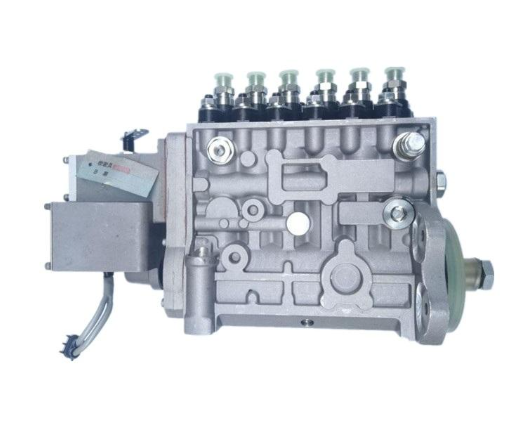
Fuel Pump
What Is a Mechanical Fuel Injection Part?
A Mechanical Fuel Injection Part is a precision component used within a fuel delivery system to meter, pressurize, and distribute fuel to an engine's combustion chamber.
Common components include:
These components work together to ensure accurate fuel delivery and efficient engine performance.
Manufacturers such as Fujikura and other established suppliers have contributed to the advancement of precision-engineered fuel system components used across multiple industries.
Why Is Precision Important?
Fuel injection systems operate under extremely demanding conditions.
Even small dimensional deviations can affect:
-
Fuel atomization
-
Combustion efficiency
-
Engine power output
-
Fuel consumption
-
Emissions performance
-
Engine lifespan
For this reason, buyers should prioritize suppliers capable of maintaining tight machining tolerances and strict quality control procedures.
Which Industries Use Mechanical Fuel Injection Parts?
Agricultural Machinery
Tractors, harvesters, irrigation engines, and agricultural power units continue to utilize mechanical fuel injection systems due to their reliability in remote environments.
Construction Equipment
Excavators, bulldozers, wheel loaders, and compactors frequently rely on mechanical injection systems for dependable performance under heavy loads.
Marine Applications
Fishing vessels, workboats, tugboats, and auxiliary marine engines often use mechanical fuel injection technology because of its durability and ease of maintenance.
Power Generation
Diesel generators require precise fuel delivery to maintain stable output and operational efficiency.
Commercial Transportation
Heavy-duty trucks and industrial vehicles still use mechanical injection components in various engine platforms operating worldwide.
Key Components Buyers Should Evaluate
Fuel Injection Pump
The fuel injection pump is often considered the heart of the system.
Its primary functions include:
-
Fuel metering
-
Pressure generation
-
Injection timing control
High-quality pumps improve combustion efficiency and engine responsiveness.
Injector Nozzle
The nozzle directly affects fuel atomization.
A well-designed nozzle provides:
Plunger and Barrel Assembly
These precision-machined components generate the pressure required for fuel injection.
Proper hardness and wear resistance are essential for long service life.
Delivery Valve
The delivery valve helps maintain stable fuel pressure and accurate injection cycles.
Its performance directly influences engine consistency.
How to Select the Right Mechanical Fuel Injection Part?
Confirm Engine Compatibility
Before purchasing, verify:
Matching specifications reduces installation risks and operational issues.
Review Material Quality
Premium materials typically include:
These materials improve wear resistance and service life.
Evaluate Manufacturing Precision
Advanced manufacturing processes often involve:
-
CNC machining
-
Precision grinding
-
Surface hardening
-
Heat treatment
-
Automated inspection
Consistent production quality is essential for maintaining fuel system performance.
Advanced Technologies Improving Performance
Modern mechanical fuel injection components benefit from significant manufacturing advancements.
Precision CNC Machining
High-accuracy machining improves dimensional consistency and assembly reliability.
Surface Treatment Technology
Advanced coatings enhance wear resistance and corrosion protection.
Computerized Quality Inspection
Coordinate measuring machines and automated testing equipment verify dimensional accuracy.
Material Hardness Optimization
Carefully controlled heat treatment processes improve durability under high-pressure operation.
These technologies help extend component lifespan and reduce maintenance costs.
Common Purchasing Mistakes?
Many procurement teams focus solely on pricing.
However, low-cost components may create expensive operational problems later.
Common mistakes include:
-
Ignoring OEM specifications
-
Purchasing incompatible components
-
Selecting uncertified suppliers
-
Overlooking material quality
-
Failing to verify production capabilities
-
Ignoring after-sales support
The true cost of ownership includes maintenance, downtime, replacement frequency, and fuel efficiency.
What Makes a Reliable Supplier?
Professional manufacturers typically provide:
-
OEM and aftermarket solutions
-
Strict quality management systems
-
Material traceability
-
Dimensional inspection reports
-
Batch consistency control
-
Technical support
-
Global export experience
Companies serving international customers often maintain higher production standards and stronger quality assurance systems.
Why Quality Matters in Fuel Injection Systems?
Field performance data consistently shows that high-quality fuel injection components can improve:
-
Engine reliability
-
Fuel efficiency
-
Component lifespan
-
Operational stability
-
Maintenance intervals
For industrial operators, these benefits contribute directly to lower operating costs and improved productivity.
Conclusion
Choosing the right Mechanical Fuel Injection Part requires more than comparing prices. Buyers should carefully evaluate engine compatibility, material quality, machining precision, manufacturing capability, and supplier expertise.
Whether the application involves agricultural equipment, marine engines, construction machinery, power generation systems, or commercial transportation fleets, high-quality fuel injection components play a critical role in maintaining engine efficiency and long-term reliability.
Working with experienced manufacturers helps ensure consistent performance and lower total ownership costs throughout the equipment lifecycle.
Request a Quote
Looking for reliable Mechanical Fuel Injection Parts?
Please provide:
Our engineering team will recommend the most suitable solution based on your technical requirements and budget.
Contact Us
Want to learn more about Mechanical Fuel Injection Parts?
Contact us for:
We look forward to supporting your fuel system component sourcing projects.