Despite the widespread adoption of electronic fuel injection systems, Mechanical Fuel Injection Parts continue to play a vital role in agricultural machinery, heavy-duty trucks, marine engines, construction equipment, generators, and classic diesel vehicles. Their simple structure, reliable performance, and ease of maintenance make them a preferred choice for many industrial applications.
For diesel engine manufacturers, distributors, repair workshops, fleet operators, and aftermarket buyers, understanding mechanical fuel injection components is essential for selecting reliable parts and maintaining long-term engine performance.
What Are Mechanical Fuel Injection Parts?
Mechanical Fuel Injection Parts are precision-engineered components that deliver fuel into a diesel engine without relying on electronic control systems. Fuel quantity and injection timing are mechanically regulated by the injection pump according to engine speed and operating conditions.
A complete mechanical fuel injection system generally includes:
Together, these components ensure accurate fuel delivery for stable engine operation.

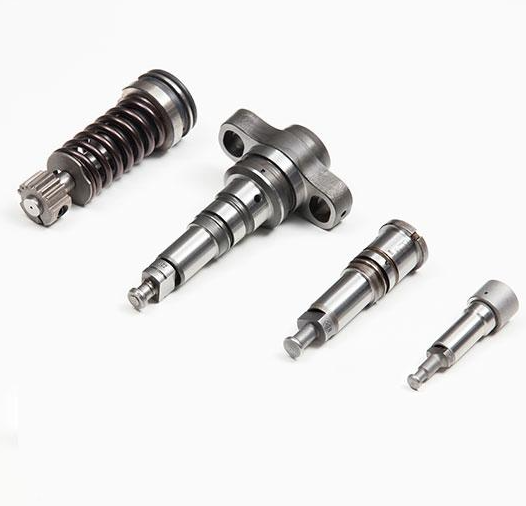
Vehicle Fuel Pump Part No.9421082400
How Does a Mechanical Fuel Injection System Work?
The operating principle is straightforward and highly dependable.
-
Fuel is drawn from the fuel tank by the transfer pump.
-
The injection pump compresses the fuel to high pressure.
-
The plunger controls the amount of fuel delivered.
-
High-pressure fuel travels through the delivery valve and fuel pipe.
-
The injector nozzle atomizes the fuel into the combustion chamber.
-
The governor adjusts fuel quantity based on engine speed and load.
This fully mechanical process requires no electronic sensors or ECU, making it suitable for demanding environments.
Main Mechanical Fuel Injection Parts
Fuel Injection Pump
The heart of the system, responsible for generating injection pressure and controlling fuel delivery.
Plunger and Barrel
Manufactured with micron-level precision to maintain sealing performance and injection accuracy.
Delivery Valve
Prevents reverse fuel flow and maintains injection pressure stability.
Injector Nozzle
Produces fine fuel atomization for efficient combustion and lower fuel consumption.
Governor Assembly
Automatically regulates engine speed under varying operating conditions.
High-Pressure Fuel Pipe
Transfers pressurized fuel from the pump to the injectors while maintaining pressure integrity.
Advantages of Mechanical Fuel Injection Parts
Mechanical fuel injection systems remain popular because they offer several practical benefits.
Reliable Operation
Fewer electronic components reduce the risk of system failure.
Easy Maintenance
Mechanical parts are easier to inspect, repair, and replace in the field.
Strong Durability
Precision-machined steel components provide long service life under harsh operating conditions.
Lower Maintenance Costs
Simple construction minimizes diagnostic complexity and repair expenses.
Excellent Performance in Harsh Environments
Mechanical systems perform reliably in dusty, humid, and high-temperature working conditions.
Common Applications
Mechanical Fuel Injection Parts are widely used in:
Agricultural Machinery
-
Tractors
-
Harvesters
-
Irrigation engines
Construction Equipment
-
Excavators
-
Bulldozers
-
Loaders
-
Rollers
Commercial Vehicles
-
Medium-duty trucks
-
Heavy-duty trucks
-
Buses
Marine Engines
Reliable fuel delivery for fishing boats and commercial vessels.
Industrial Equipment
Diesel generators, compressors, mining equipment, and stationary power systems.
Mechanical vs Electronic Fuel Injection
| Feature |
Mechanical Fuel Injection |
Electronic Common Rail |
| Control Method |
Mechanical |
Electronic ECU |
| Maintenance |
Simple |
More Complex |
| Initial Cost |
Lower |
Higher |
| Fuel Efficiency |
Good |
Excellent |
| Emission Performance |
Standard |
Advanced |
| Field Repair |
Easy |
Specialized Equipment Required |
Mechanical systems remain the preferred choice where durability, simplicity, and easy servicing are priorities.
Common Failure Symptoms
Routine inspection helps extend component life.
Typical signs include:
-
Difficult engine starting
-
Black exhaust smoke
-
Reduced engine power
-
Irregular idle speed
-
Increased fuel consumption
-
Fuel leakage around injection components
Replacing worn Mechanical Fuel Injection Parts promptly helps maintain engine efficiency and reliability.
Procurement Checklist
Before purchasing Mechanical Fuel Injection Parts, buyers should verify:
-
Engine model compatibility
-
Pump type
-
Injector specifications
-
Material hardness
-
Precision machining tolerance
-
Surface treatment quality
-
OEM interchangeability
-
Quality testing standards
-
Packaging and protection
-
After-sales technical support
Selecting high-quality components reduces downtime and maintenance costs.
Global Market Trends
Demand for Mechanical Fuel Injection Parts remains stable across industries requiring dependable diesel engines. Growth continues in agricultural equipment, mining machinery, marine applications, power generation, and emerging markets where mechanically controlled engines remain widely used. Manufacturers are also improving machining precision, wear resistance, and corrosion protection to extend service life.
Why Choose Fujikura Mechanical Fuel Injection Parts?
Fujikura provides precision-engineered fuel injection components designed for reliability and consistent performance.
Key advantages include:
-
High-precision manufacturing
-
Strict quality inspection
-
Durable wear-resistant materials
-
OEM-quality compatibility
-
Stable product performance
-
Professional technical support
-
Global export experience
Fujikura supplies dependable Mechanical Fuel Injection Parts for distributors, diesel engine manufacturers, repair centers, and industrial customers worldwide.
FAQ
What are Mechanical Fuel Injection Parts?
They are the components that mechanically control diesel fuel delivery without electronic management systems.
Which engines use mechanical fuel injection?
They are commonly used in agricultural machinery, commercial vehicles, marine engines, construction equipment, generators, and older diesel engines.
How long do mechanical injection parts last?
Service life depends on operating conditions, fuel quality, and maintenance practices, but high-quality components can provide many years of reliable operation.
Can individual fuel injection parts be replaced?
Yes. Components such as injector nozzles, plungers, delivery valves, and governors can often be replaced individually during maintenance.
How can I ensure compatibility?
Always verify the engine model, injection pump type, OEM part number, and technical specifications before ordering.
Contact Us
Looking for the right Mechanical Fuel Injection Parts for your diesel engine project?
Our engineering team can help you evaluate engine specifications and recommend the most suitable fuel injection components.
Welcome to contact us for technical consultation, product selection, OEM solutions, samples, and competitive quotations.
Email: sales@injectionsystem.cn
Fujikura specializes in Mechanical Fuel Injection Parts, diesel fuel injection pumps, injector nozzles, delivery valves, plungers, governors, and precision fuel system components for global diesel engine applications.
You may also like: